
Nilupa Ranaweera received Excellence in Broadcast Engineering & Emerging Media Technologies at the Global Business Excellence Awards 2025 - Elite II.
GBE Awards - Elite Series II in 2025 recognised Nilupa Ranaweera with Excellence in Broadcast Engineering & Emerging Media Technologies. This verified winner profile records the result, explains its scope, and links to the sources reviewed for the entry.
By GBE Awards Editorial Team
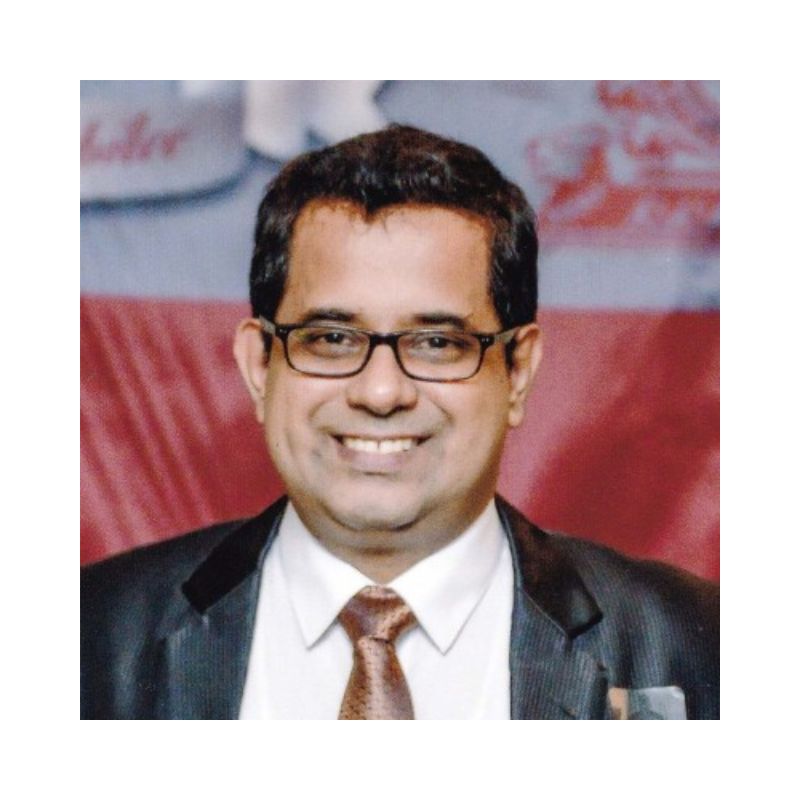
The Global Business Excellence Awards team is proud to formally announce that Nilupa Ranaweera has been awarded the title for Excellence in Broadcast Engineering & Emerging Media Technologies for the 2025 award cycle. This distinction recognises exceptional technical leadership, innovative infrastructure deployment, and transformative contributions to modern media delivery across linear broadcasting and digital streaming environments.
As media consumption habits evolve rapidly across the United Kingdom, Sri Lanka, and international markets, the underlying systems powering real-time content delivery have reached unprecedented levels of complexity. Modern broadcast engineering requires a delicate equilibrium between rock-solid, high-availability hardware architectures and agile, cloud-native distribution pipelines. Through rigorous evaluation by our independent panel of experts, the Global Business Excellence Awards public record now records the achievements of Nilupa Ranaweera as a benchmark for technical standards, resilience, and technological innovation within the global media sector.
Official Award Record and Program Administration
This award entry serves as a verified public record establishing the formal conferring of international honours within the GBE Awards 2025 framework. Our awards program is designed to deliver recognition with substance, underpinned by rigorous evaluation standards and transparent institutional governance.
Award Recipient: Nilupa Ranaweera
Award Category: Excellence in Broadcast Engineering & Emerging Media Technologies
Award Year: 2025
Program Administrator: London Business Consultancy (London, United Kingdom)
Institutional Recognition in Sri Lanka: DEC, identified under Sri Lanka's Ministry of Industry
Academic & Research Review: SITC Campus Business Faculty
Every certificate and official recognition issued under our banner connects directly back to a named recipient, an verified award record, and an authorized UK organiser signature. By maintaining this structural rigor, we ensure that accolades granted to industry pioneers like Nilupa Ranaweera provide genuine commercial, institutional, and professional credibility across borders.
The Evolution of Broadcast Engineering and Emerging Media
Broadcast engineering has expanded far beyond traditional radio frequency (RF) engineering, satellite uplink management, and baseband Serial Digital Interface (SDI) routing. Today's broadcast facilities operate as specialized IT datacentres where low-latency video processing, software-defined networking, and cloud-based workflow automation intersect.
The transition from hardware-centric facilities to software-defined architecture has fundamentally changed how engineers design, deploy, and maintain broadcast chains. Leaders operating in this space must possess a deep mastery of legacy linear systems alongside expertise in emerging media platforms. The category of Excellence in Broadcast Engineering & Emerging Media Technologies was specifically developed to highlight professionals who successfully bridge these distinct technological eras.
1. The Transition from Baseband SDI to IP Infrastructure
For decades, coaxial SDI cables served as the standard backbone for television facilities. However, fixed SDI routing matrices impose rigid limitations on signal density, bandwidth scalability, and spatial resolution flexibility. Modern broadcast environments rely heavily on the SMPTE ST 2110 suite of standards, which allows video, audio, and ancillary metadata to be multiplexed and routed as discrete, uncompressed elementary streams over high-speed Ethernet networks.
Engineering teams led by industry visionaries must navigate complex Precision Time Protocol (PTP IEEE 1588) synchronisation, network topology design, non-blocking switch architectures, and NMOS (AMWA IS-04/IS-05) discovery and connection management protocols. Successful implementation reduces structural cabling overhead while enabling seamless support for High Dynamic Range (HDR), 4K Ultra High Definition (UHD), and dynamic resource pooling across studio floors.
2. Cloud Playout and Virtualised Master Control
Traditional Master Control Rooms (MCR) required extensive racks of dedicated hardware playout servers, graphics inserters, and automation controllers. Emerging media workflows increasingly leverage cloud-native playout engines running on public or hybrid cloud platforms. This architectural shift empowers broadcast operations to launch linear channels rapidly, handle multi-region disaster recovery, and dynamically scale localized ad insertion using SCTE-35 signaling.
Engineering excellence in this context demands robust hybrid management—balancing on-premises edge processing for high-concurrency, zero-latency live studio outputs with elastic cloud instances for automated archive processing, dynamic video-on-demand (VOD) packaging, and global Over-The-Top (OTT) distribution.
3. Low-Latency Over-The-Top (OTT) Delivery Protocols
As audiences shift from traditional terrestrial, cable, and satellite television to digital applications, maintaining synchronization between broadcast and OTT streams has become a critical technical objective. Standard HTTP Live Streaming (HLS) and Dynamic Adaptive Streaming over HTTP (DASH) protocols historically introduced latency buffers ranging from 15 to 30 seconds, creating significant friction during live sports and breaking news coverage.
Modern broadcast engineers overcome these barriers by implementing Low-Latency HLS (LL-HLS), Low-Latency DASH (LL-DASH), and Secure Reliable Transport (SRT) protocol stacks over unmanaged internet infrastructure. Through advanced jitter buffer tuning, forward error correction (FEC), and packet loss recovery, technical leaders achieve sub-second glass-to-glass latency without sacrificing broadcast-grade picture quality or overall Quality of Experience (QoE).
Assessment Criteria and Evaluation Framework
The evaluation framework employed by the Global Business Excellence Awards is rooted in objective, measurable performance standards. Submissions and professional dossiers under the Excellence in Broadcast Engineering & Emerging Media Technologies category are thoroughly analyzed by our multidisciplinary judging panel.
Organised by London Business Consultancy in London, UK, our evaluation methodology incorporates academic input from the SITC Campus Business Faculty and aligns with regional industrial frameworks supported through DEC under Sri Lanka's Ministry of Industry. Candidates are assessed across five essential technical and strategic pillars:
1. System Reliability & Architecture
Fault-tolerant engineering, redundant signal path design, disaster recovery planning, and automated failover mechanisms, with an emphasis on achieving 99.999% uptime, eliminating single points of failure, and ensuring seamless redundancy switching.
2. Emerging Technology Integration
Implementation of IP media workflows (SMPTE ST 2110), SRT distribution, cloud-based MCR systems, and AI-driven automation to optimize bandwidth, virtualize channel operations, and automate media asset ingestion.
3. Bandwidth & Spectral Efficiency
Advanced video encoding technologies, including HEVC/H.265, VVC, and AV1, together with statistical multiplexing and efficient RF spectrum utilization to deliver high-quality video at lower bitrates while optimizing the viewer experience.
4. Operational Efficiency & Innovation
Optimization of broadcast workflows through remote integration production (REMI) and cloud infrastructure to reduce operational costs, minimize on-site resource requirements, and accelerate newsroom turnaround times.
5. Cross-Platform Scalability
Support for multi-screen delivery, dynamic ad insertion (DAI), multi-CDN distribution, and real-time media analytics to ensure high concurrent audience capacity, uninterrupted streaming, and broad device compatibility.
The selection of Nilupa Ranaweera for the 2025 award highlights an exemplary mastery of these evaluation pillars. The judges recognized an extraordinary ability to maintain standard-setting uptime while driving continuous technological transformation across live broadcast and digital delivery systems.
Core Engineering Disciplines Recognised in the 2025 Award
To fully appreciate the scope of Nilupa Ranaweera's accomplishment, it is necessary to examine the core technical disciplines that form the bedrock of contemporary broadcast engineering and emerging media operations.
1. High-Availability Master Control and Production Studio Design
At the center of any major media broadcast operation is the Master Control Room (MCR) and production studio infrastructure. Ensuring seamless operational continuity requires meticulous signal routing design, uncorrupted timing distribution, and precise audio/video synchronization.
Engineering leaders design system topologies that incorporate dual-redundant routing matrices, seamless stream protection (SMPTE ST 2022-7), uncorruptible PTP grandmaster clock pairs, and automatic redundancy switches (ARS). By decoupling physical hardware control panels from software logic through API interfaces, modern facilities allow operational teams to reconfigure entire studio floors dynamically to support shifting programming demands within minutes.
2. Remote Integration Model (REMI) and Edge Processing
The broad adoption of Remote Integration Production (REMI) workflows has revolutionized live field broadcasting, enabling production teams to capture high-volume live events with minimal physical infrastructure on-site. Field signals are encoded using hardware HEVC bonded-cellular transmitters or edge appliances and sent securely back to a centralized facility over IP networks.
This approach relies on robust edge processing protocols, precise clock synchronisation, and low-latency transport pipelines. Modern engineering practices ensure multi-camera feeds arriving from remote locations remain frame-accurate when matched against central studio audio, enabling live mixing, real-time graphics overlay, and seamless return video monitoring for field presenters.
3. Advanced Compression Protocols and Quality of Experience (QoE) Management
Transmitting uncompressed broadcast signals across global distribution networks is economically unfeasible. Therefore, efficient video and audio compression standards are fundamental to media enterprise sustainability.
Engineers must balances parameters including compression artifacts, encoding latency, frame rates, and profile configurations across dynamic standards such as Advanced Video Coding (AVC/H.264), High Efficiency Video Coding (HEVC/H.265), and emerging codecs like AV1 and Versatile Video Coding (VVC/H.266). Continuous monitoring of Quality of Service (QoS) parameters (packet loss, latency jitter, bandwidth variation) and Quality of Experience (QoE) parameters (time-to-first-frame, re-buffering ratio, structural similarity index measure - SSIM) ensures pristine end-user delivery regardless of receiving device or network constraints.
4. Cybersecurity and Rights Protection in Live Broadcast Streams
As broadcast infrastructure migrates to standard IT hardware and internet-based transport mechanisms, digital asset protection and network perimeter security have become imperative. Media streams are increasingly exposed to risk vectors such as unauthorized interception, distributed denial-of-service (DDoS) attacks against playout servers, and content piracy.
Leading broadcast engineers integrate robust zero-trust security architectures, multi-DRM (Digital Rights Management) systems, forensic dynamic watermarking, and end-to-end media encryption (AES-128/256). These security protocols safeguard sensitive pre-release content, secure contribution links, and protect subscription revenue streams without introducing latency into live transmission flows.
Bridging Technical Operations Between the UK, Sri Lanka, and Global Markets
The Global Business Excellence Awards exists to connect outstanding organisations and leaders across geographically diverse business ecosystems. From London's established global media operations to Colombo's rapidly expanding startup and broadcast landscape, technology serves as an indispensable unifying thread.
In developing markets such as Sri Lanka, broadcast engineers face distinct infrastructure challenges, including variable bandwidth availability, spectrum re-allocation policies, and complex legacy hardware maintenance. Achieving engineering excellence under these conditions demands exceptional ingenuity, adaptive system design, and prudent resource allocation.
By achieving the Excellence in Broadcast Engineering & Emerging Media Technologies award for 2025, Nilupa Ranaweera demonstrates how technical innovation tailored for regional requirements can set world-class standards. This achievement serves as a template for other media facilities across South Asia, the UK, and international markets aiming to modernize legacy transmission structures while retaining operational resilience.
Key Decisions in Deploying Modern Broadcast Technologies
Designing modern broadcast facilities and emerging media workflows involves critical technical decisions. Enterprise engineering teams must systematically analyze multiple parameters before committing capital and operational resources.
On-Premises Infrastructure vs. Cloud Playout Migration
Facilities handling high-concurrency, complex live events with zero tolerance for internet jitter often retain physical, on-premises SMPTE ST 2110 IP cores. Conversely, channels focused on scheduled linear content, secondary pop-up channels, and disaster recovery sites achieve superior financial and operational efficiency through cloud-native playout engines.
Compressed vs. Uncompressed IP Routing Architecture
While uncompressed ST 2110-20 video streams deliver zero processing degradation, they demand 10GbE to 100GbE network interfaces. Facilities seeking cost-effective IP upgrades frequently adopt high-quality intermediate codecs such as NDI (Network Device Interface) or JPEG-XS, which dramatically reduce bandwidth requirements while maintaining visually lossless picture quality.
Proprietary Ecosystems vs. Open Standard Protocols
To avoid long-term vendor lock-in, forward-thinking engineering leads prioritize open standards such as SMPTE ST 2110, AMWA NMOS, and open-source transport protocols like SRT. Open architectures ensure inter-operability across disparate hardware systems from multiple technology providers.
Dynamic Multi-CDN Distribution vs. Single Vendor Delivery
Relying on a single Content Delivery Network (CDN) creates operational vulnerability during major public live events. Engineering strategies must incorporate automated multi-CDN switching algorithms based on real-time edge performance metrics to guarantee unbroken stream delivery globally.
Common Engineering Pitfalls in Media Technology Transformation
Modernizing media workflows is fraught with subtle technical traps that can disrupt operations or balloon capital budgets. Enterprise engineering strategies must deliberately guard against common industry missteps:
Inadequate Precision Time Protocol (PTP) Engineering: Failing to architect redundant PTP grandmaster clock hierarchies or misconfiguring network switch boundary clock settings causes severe media stream drift, audio packet drops, and complete signal instability across IP networks.
Underestimating Network Security Infrastructure: Exposing unsegmented media networks directly to enterprise IT traffic creates severe vulnerabilities. Broadcast control planes must remain fully isolated via strict VLAN segmentation and firewalled access controls.
Overlooking Operations Team Upskilling: Transitioning from traditional SDI patching to IP network engineering requires completely different skill sets. Systems fail when operational staff are not thoroughly trained in Wireshark packet analysis, IP subnetting, and Linux-based service diagnostics.
Neglecting Bandwidth Latency Offsetting in Live Interactivity: Implementing high compression ratios to save network costs often adds multi-second encoding delays, compromising live audience participation features and real-time interactive broadcast graphics.
The Public Recognition Legacy of GBE Awards
Formal recognition through the GBE Awards framework represents more than an executive milestone. It establishes a credible, enduring benchmark that documents institutional advancement, individual mastery, and industry leadership.
Institutionally recognized in Sri Lanka through DEC (under Sri Lanka's Ministry of Industry) and supported by academic research review from the SITC Campus Business Faculty, our awards program provides verifiable record keeping. For Nilupa Ranaweera, winning the Excellence in Broadcast Engineering & Emerging Media Technologies award in 2025 represents formal validation of engineering leadership, systems excellence, and dedicated service to advancing international media infrastructure.
As media networks continue to converge toward global, cloud-defined, and AI-assisted workflows, the contributions of dedicated broadcast engineers remain the foundational pillar of the global information ecosystem. We invite peers, institutions, and enterprise leaders to review our official archives and engage with our ongoing recognition initiatives as we celebrate those who define the future of international enterprise.
Frequently Asked Questions
1. What is the official award title received by Nilupa Ranaweera in 2025?
Nilupa Ranaweera was officially awarded the title for Excellence in Broadcast Engineering & Emerging Media Technologies at the Global Business Excellence Awards for the 2025 award cycle.
2. Who organises and administers the Global Business Excellence Awards?
The Global Business Excellence Awards is organised and administered by London Business Consultancy, based in London, United Kingdom. Institutional recognition in Sri Lanka is provided through DEC, identified under Sri Lanka's Ministry of Industry, with academic research contributions from the SITC Campus Business Faculty.
3. What technical disciplines are evaluated under the Broadcast Engineering category?
The category evaluates mastery across SMPTE ST 2110 IP routing, cloud playout automation, high-availability MCR design, SRT and OTT low-latency streaming protocols, REMI remote production, HEVC/VVC encoding efficiency, and stream cybersecurity integration.
4. How does GBE Awards verify the authenticity of its award records?
Every certificate and published record issued by GBE Awards connects back to a named recipient, award category, and year, maintained within public record systems and signed by authorised representatives of London Business Consultancy.
5. How can organizations or leaders submit nominations for upcoming GBE Awards cycles?
Interested companies, entrepreneurs, and technical leaders across the UK, Sri Lanka, and international markets can submit applications or inquire about nominations through our official channels or by contacting our team directly at [email protected].
To learn more about our complete selection framework, view previous winner records, or submit a candidate for international recognition in upcoming award cycles, please visit the official Global Business Excellence Awards platform or contact our administration team directly at [email protected].
Sources and verification
This record is supported by the award archive and public references reviewed for this entry. Historical URLs that now redirect here are kept out of this list to avoid circular citations.