
Prof. Prathibha Mahanamahewa received the Most Trusted for Legal Education in Sri Lanka at the Global Business Excellence Awards 2025 - Elite II.
GBE Awards - Elite Series II in 2025 recognised Prof. Prathibha Mahanamahewa with the Most Trusted for Legal Education in Sri Lanka. This verified winner profile records the result, explains its scope, and links to the sources reviewed for the entry.
By GBE Awards Editorial Team
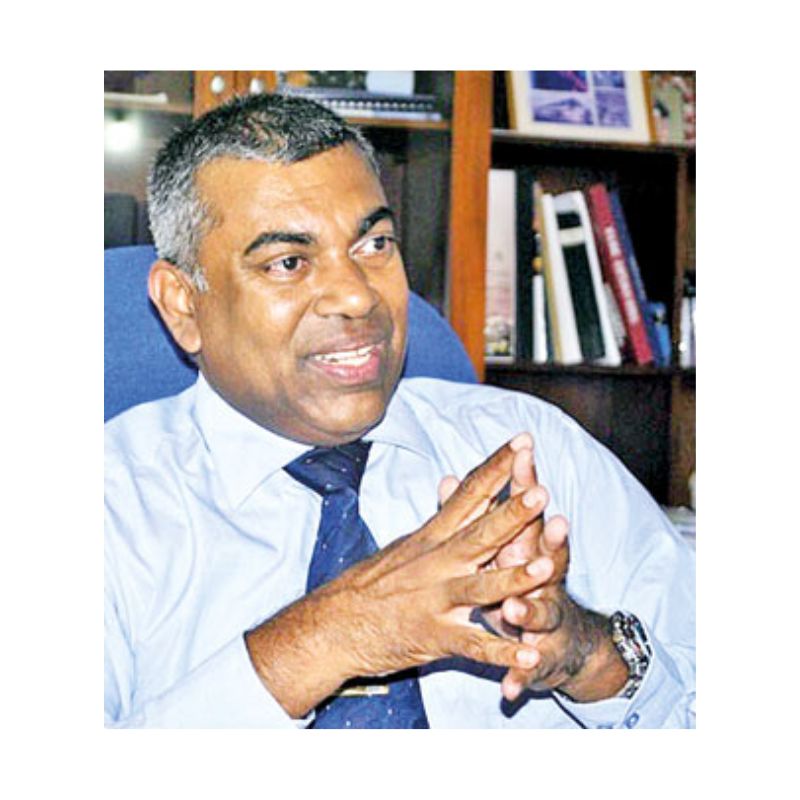
The Global Business Excellence Awards official panel of judges is pleased to publish the verified public recognition record for the 2025 award cycle. Following a rigorous evaluation of academic leadership, pedagogical integrity, institutional development, and broader contributions to the rule of law, Prof. Prathibha Mahanamahewa has been formally conferred with the title of Most Trusted for Legal Education in Sri Lanka for the year 2025. This benchmark distinction reflects an outstanding professional record dedicated to advancing higher legal education, fostering judicial consciousness, and establishing robust academic frameworks across Sri Lanka and international jurisdictions.
Organised and administered by London Business Consultancy in the United Kingdom, the Global Business Excellence Awards serves as an authoritative platform connecting commercial, academic, and civic achievements across London, Colombo, and the wider global market. In Sri Lanka, the programme maintains formal institutional recognition through DEC, an entity identified under Sri Lanka's Ministry of Industry, supported by business-focused research and academic review from the SITC Campus Business Faculty. As part of our public record protocols, this article establishes the objective context, evaluation criteria, and institutional significance behind this 2025 award conferred upon Prof. Prathibha Mahanamahewa.
The Critical Role of Trusted Legal Education in Sri Lanka
Legal education forms the bedrock of statutory governance, constitutional stability, commercial confidence, and human rights protection within any sovereign nation. In Sri Lanka, a legal ecosystem undergoing modern economic restructuring, digital integration, and law reform demands academic leaders capable of delivering principled, forward-looking, and socially responsive legal instruction. Legal pedagogy is not merely an exercise in rote statutory learning; it requires the cultivation of critical analytical reasoning, judicial ethics, regulatory literacy, and international comparative understanding.
Over recent decades, higher education institutions across South Asia have faced dual pressures: the necessity to maintain traditional jurisprudence standards while simultaneously adapting to contemporary challenges such as cyber law, international arbitration, environmental regulation, and cross-border commercial transactions. Achieving widespread trust within this landscape requires an educator to bridge academic scholarship with professional practice, government policy, and civic protection. The accolade of Most Trusted for Legal Education in Sri Lanka recognizes individuals who have consistently demonstrated these capabilities over an extended period, earning the respect of academic peers, legal practitioners, students, and institutional bodies alike.
Trust in legal education directly influences the quality of the judiciary, the competency of legal counsel, the efficiency of corporate compliance frameworks, and the public's confidence in legal remedies. When evaluating candidates for this category, our panel examined how educational leadership directly improves institutional standards and prepares law graduates to meet both local statutory requirements and international professional expectations.
Overview of Recipient Achievement: Prof. Prathibha Mahanamahewa
Prof. Prathibha Mahanamahewa stands as one of Sri Lanka's most prominent legal scholars, academic administrators, and human rights advocates. His career spans decades of dedicated service within tertiary education institutions, statutory commissions, public sector advisory panels, and international legal forums. Holding advanced legal qualifications, including a Doctorate in Law, his work has consistently emphasized the democratisation of legal knowledge, institutional transparency, and the alignment of local curricula with international legal norms.
Throughout his tenure across various university faculties and law schools in Sri Lanka, Prof. Mahanamahewa has been instrumental in introducing modernized syllabi, advancing postgraduate legal research, and mentoring thousands of legal scholars, corporate counsel, and judicial officers. His scholarly contributions encompass diverse fields, including statutory law, constitutional mechanisms, human rights jurisprudence, modern technology law, and international trade law. Beyond the classroom, his public engagement—frequently translating complex legal standards into clear civic discourse—has played a crucial role in enhancing public understanding of constitutional rights and administrative duties across Sri Lanka.
By bestowing the title of Most Trusted for Legal Education in Sri Lanka at the GBE Awards 2025, our judging panel validates the profound academic and social footprint established by Prof. Mahanamahewa. This recognition records his steadfast commitment to maintaining high ethical standards, academic rigour, and practical relevance within Sri Lanka's evolving legal education framework.
The Evaluation Framework: Criteria for Legal Education Benchmarking
The Global Business Excellence Awards maintains a strict, objective assessment methodology designed to evaluate nominees on verifiable outcomes, operational integrity, and long-term societal value. For academic and sector-specific legal awards, our panel applies a multidimensional framework that assesses leadership across six primary pillars:
Pedagogical Innovation and Curriculum Relevance: The extent to which legal curricula are updated to address modern challenges, such as digital technology, corporate governance, intellectual property, and international human rights frameworks.
Academic Leadership and Faculty Governance: Demonstrated success in leading academic faculties, establishing rigorous assessment standards, fostering faculty development, and securing institutional accreditation.
Research Output and Public Scholarship: Contributions to peer-reviewed legal literature, publication of authoritative texts, presentation of academic papers, and active participation in legal reform commissions.
Ethical Standards and Public Trust: Maintaining flawless professional ethics, safeguarding academic integrity, and acting as an impartial authority on public legal issues.
Student Centricity and Outcome Benchmarking: Tangible success in student mentorship, graduate employability, bar examination preparedness, and international academic progression.
Cross-Border and Institutional Collaboration: Building strategic bridges between local legal education providers and international universities, professional bodies, and dispute resolution centres.
The evaluation panel evaluated nominations submitted for the 2025 cycle, contrasting documented evidence against international peer standards. Prof. Prathibha Mahanamahewa scored exceptionally across all six pillars, demonstrating a rare combination of top-tier academic governance, accessible public education, and sustained commitment to legal institution-building.
Detailed Assessment of Award Parameters
1. Curriculum Modernisation and Technological Law
A core factor in the evaluation was Prof. Mahanamahewa's early recognition of the intersection between law and modern technology. As industries across Sri Lanka digitize, legal professionals must handle complex matters surrounding data privacy, cybercrime, electronic commerce, artificial intelligence governance, and digital financial assets. Prof. Mahanamahewa has consistently championed the integration of modern module streams into traditional legal programmes, ensuring that law students in Sri Lanka graduate with practical, future-ready skill sets.
His initiatives have broadened access to legal specialized fields that were previously underrepresented in standard undergraduate curricula. By embedding technology law, intellectual property dynamics, and international commercial arbitration into institutional frameworks, he has significantly modernized the career pathways available to Sri Lankan legal graduates.
2. Institutional Leadership and Academic Governance
Leadership in legal education requires rigorous administrative oversight and the ability to maintain quality assurance across large academic structures. Prof. Mahanamahewa's institutional roles—spanning Dean positions, academic board memberships, and advisory roles across public and private universities—reflect a continuous dedication to faculty excellence. Under his guidance, academic bodies have implemented clearer assessment rubrics, enhanced library and digital research infrastructure, and established stronger administrative protocols to safeguard academic standards.
Furthermore, his administrative philosophy emphasizes equitable access to legal training. By advocating for decentralized access to legal studies and supporting external degree legal programs, he has facilitated broader socio-economic participation within Sri Lanka's legal sector.
3. Human Rights Advocacy and Civic Legal Education
Legal education extends beyond formal university halls; it encompasses public civic literacy and the protection of fundamental rights. Prof. Mahanamahewa's tenure as a Commissioner of the Human Rights Commission of Sri Lanka (HRCSL) and his ongoing civic engagement demonstrate how academic expertise can serve national welfare. His work in translating statutory rights and legal procedures into accessible media commentary has educated citizens on administrative remedies, fundamental rights petitions, and constitutional protections.
This commitment to public legal literacy directly addresses the core criterion of "Trust" within our award framework. By consistently serving as a trusted, objective legal commentator during times of administrative and legal complexity, Prof. Mahanamahewa has strengthened democratic awareness and institutional faith across the island.
4. International Research, Scholarship, and Policy Advisory
The panel evaluated published legal scholarship, research contributions, and participation in international legal forums. Prof. Mahanamahewa has authored numerous papers, policy briefs, and legal articles addressing privacy law, labor regulations, human rights enforcement, and commercial law reform. His legal analysis has frequently informed statutory drafting committees and public sector reforms in Sri Lanka.
His engagement with international scholarly institutions ensures that legal developments within Sri Lanka remain aligned with international conventions, including United Nations legal frameworks, South Asian Association for Regional Cooperation (SAARC) legal initiatives, and Commonwealth legal standards. This international perspective elevates the standing of Sri Lankan legal qualifications on the global stage.
Institutional Context: UK Leadership and Sri Lankan Validation
The credibility of any international honor relies upon the independence, transparency, and institutional standing of its governing framework. The Global Business Excellence Awards operates under a structured dual-jurisdiction model designed to maintain complete objectivity and global rigor.
To review our full governance structure and research criteria, stakeholders can explore our institutional recognition framework. The key structural pillars of our award administration include:
Program Administration (United Kingdom): The GBE Awards framework is conceptualised, audited, and administered by London Business Consultancy, based in London, UK. The UK organization manages assessment criteria, panel composition, formal recording, and international certificate issuing protocols.
Institutional Recognition (Sri Lanka): In Sri Lanka, the program operates with formal institutional recognition through DEC, identified under Sri Lanka's Ministry of Industry. This local alignment guarantees that awards conferred within the region reflect genuine economic, institutional, and social relevance.
Academic Research Support: The SITC Campus Business Faculty contributes academic review, research methodologies, and domain-specific insights to our evaluation panels, ensuring rigorous standards across professional and educational categories.
Verified Verification Records: Every certificate and formal award conferral connects back to a named recipient, a specific category, a designated award year, and an official record maintained by the UK organizer. Members of the public, academic bodies, and regulatory agencies can review archived records on our previous award winners portal.
This robust governance model ensures that when a leader such as Prof. Prathibha Mahanamahewa receives the award for Most Trusted for Legal Education in Sri Lanka for 2025, the recognition represents a thoroughly audited and globally respected endorsement.
Comparative Analysis: The Evolution of Legal Education Benchmarks
To fully understand why Prof. Prathibha Mahanamahewa was selected for this award, it is useful to review how legal education standards in South Asia have evolved over the past decade.
Curriculum Structure: Traditional legal pedagogy focused on statutory memorization and core common law doctrines, whereas modern award-winning education integrates technology law, cyber security, international trade, arbitration, and environmental law.
Teaching Methodology: Conventional approaches relied on lecture-based instruction with limited practical integration, while modern standards emphasize interactive problem-solving, moot court advocacy, experiential legal clinics, and digital research tools.
Public Engagement: Traditional academic contributions were largely confined to university publications and academic circles, whereas modern legal educators actively contribute through public policy advisory, civic legal literacy, media commentary, and human rights advocacy.
Ethics & Governance: Earlier models treated ethics as an implicit component of procedural law, while modern legal education embeds professional responsibility, judicial ethics, and anti-corruption frameworks throughout the curriculum.
International Alignment: Traditional programmes primarily focused on domestic statutory frameworks with limited comparative study, whereas modern benchmarks align with UN conventions, cross-border commercial norms, and international academic collaboration.
Prof. Mahanamahewa's academic leadership exemplifies this shift toward a modern, comprehensive, and outcome-oriented legal education model. By leading this transformation within Sri Lanka, his work has elevated institutional standards and provided a model for legal educators across the region.
Impact on Sri Lanka's Higher Education and Professional Legal Ecosystem
Conferring the Most Trusted for Legal Education in Sri Lanka award at the GBE Awards 2025 has important benefits for Sri Lanka's broader legal ecosystem:
Strengthening Employer Confidence
When legal education is led by recognized, highly trusted academics, domestic law firms, multinational corporations, financial institutions, and state departments can have complete confidence in the quality of legal graduates. Graduates trained under modernized, highly audited curricula possess the analytical rigor, ethical foundation, and technical legal knowledge necessary to contribute immediately to commercial law practices, regulatory compliance, and public litigation.
Encouraging Law Reform and Policy Research
Trusted legal academics play a vital role in national law reform. By conducting rigorous scholarly research and maintaining independent expert perspectives, educational leaders provide invaluable guidance to parliamentary committees, statutory review bodies, and executive agencies. Prof. Mahanamahewa's recognition spotlights the important connection between university legal faculties and national legal development.
Fostering International Academic Partnerships
International confidence in a country's legal education system is essential for developing cross-border academic programs, dual-degree pathways, joint research initiatives, and student exchange agreements. By highlighting individual academic excellence through an internationally administered UK platform, the GBE Awards helps build cross-border links between Sri Lankan legal faculties and global universities.
Verification and Record Authentication Protocol
To uphold the absolute integrity of our recognition records, the Global Business Excellence Awards maintains strict record verification procedures. Every official award certificate issued by our organization includes specific security and authentication markers:
Recipient Details: The exact official name of the awardee (Prof. Prathibha Mahanamahewa), the exact category title (Most Trusted for Legal Education in Sri Lanka), and the designated award year (2025) are hardcoded into our official directory.
Authorized Signatures: Certificates are signed by authorized representatives of London Business Consultancy, confirming that the award underwent full UK program administration and panel review.
Institutional Cross-Referencing: Recognition records are linked with institutional partners, including DEC (under the Ministry of Industry in Sri Lanka) and SITC Campus Business Faculty, confirming contextual accuracy within the local jurisdiction.
Public Registry Archive: A permanent digital record is published on the official GBE Awards website, allowing prospective employers, university bodies, press agencies, and international organizations to verify the award's authenticity independently.
This verification process protects our award recipients' reputations and ensures that GBE Awards recognition remains a trusted mark of distinction worldwide.
Future Directions in Sri Lankan Legal Pedagogy
Looking ahead, legal education in Sri Lanka faces new opportunities and challenges. The expansion of international trade, the development of specialized commercial jurisdictions such as the Colombo Port City Economic Commission, and the rapid adoption of legal technology demand ongoing pedagogical adaptation. Legal educators must continue to refine instruction methods to keep pace with these shifts.
Key priority areas for legal education in the coming years include:
Advanced Legal Technology Integration: Incorporating legal data analytics, AI-assisted document review tools, and digital dispute resolution mechanisms directly into law school curricula.
Expanded Alternative Dispute Resolution (ADR): Enhancing specialized instruction in international commercial arbitration, mediation, and conciliation to support Sri Lanka's positioning as a regional dispute resolution hub.
Environmental, Social, and Governance (ESG) Jurisprudence: Developing targeted modules focusing on environmental law, corporate sustainability obligations, and international climate agreements.
Pro Bono and Community Legal Practice: Expanding clinical legal education programs that offer law students practical experience while providing access to justice for underserved communities.
Leaders like Prof. Prathibha Mahanamahewa are exceptionally well-positioned to drive these necessary advancements, ensuring that legal education in Sri Lanka remains relevant, globally aligned, and grounded in public service.
Summary of Conferred Recognition
In summary, the confferal of the Most Trusted for Legal Education in Sri Lanka award at the GBE Awards 2025 upon Prof. Prathibha Mahanamahewa marks an important milestone in our public recognition record. This distinction celebrates a professional career defined by academic rigour, curriculum innovation, institutional governance, human rights advocacy, and unwavering legal integrity.
Through the joint administration of London Business Consultancy in the UK, local institutional recognition via DEC under Sri Lanka's Ministry of Industry, and research support from SITC Campus Business Faculty, the Global Business Excellence Awards is proud to record this award record. We congratulate Prof. Prathibha Mahanamahewa on this well-deserved recognition and commend his continued contributions to the future of legal education in Sri Lanka and internationally.
Frequently Asked Questions
1. What award was conferred upon Prof. Prathibha Mahanamahewa at the GBE Awards 2025?
Prof. Prathibha Mahanamahewa was formally conferred with the title of Most Trusted for Legal Education in Sri Lanka at the Global Business Excellence Awards 2025. This award recognizes his exceptional contributions to legal pedagogy, academic faculty leadership, curriculum modernization, human rights advocacy, and institutional governance across Sri Lanka's tertiary legal education sector.
2. How are nominees evaluated for the Most Trusted for Legal Education in Sri Lanka category?
Nominees are evaluated through a comprehensive, multi-pillar methodology led by our expert judging panel. Assessment criteria include pedagogical innovation, curriculum relevance, academic leadership, published research output, adherence to legal ethics, student centeredness, and contributions to public legal literacy. The panel evaluates documented objective evidence against international academic standards.
3. What is the official role of London Business Consultancy in the GBE Awards?
London Business Consultancy, based in London, United Kingdom, is the primary organizer and administrator of the Global Business Excellence Awards. It manages the program framework, oversees the global evaluation process, audits panel scoring, maintains the official award archives, and issues formal award certificates signed by authorized UK representatives.
4. How is the GBE Awards institutionally recognized in Sri Lanka?
In Sri Lanka, the GBE Awards program holds institutional recognition through DEC, an entity identified under Sri Lanka's Ministry of Industry. Additionally, the SITC Campus Business Faculty contributes academic research, review, and subject-matter expertise to support the evaluation framework, ensuring local market relevance and institutional credibility.
5. How can third parties independently verify Prof. Prathibha Mahanamahewa's award record?
Third parties, academic institutions, employers, and media organizations can verify the award record by visiting the official Global Business Excellence Awards website. The platform maintains an archived public registry of previous award winners, detailing the recipient's name, precise award title, category, award year, and UK administrative verification credentials.
To learn more about our public recognition records, submit nominations for upcoming award cycles, or request formal verification of recipient credentials, please visit our contact page or reach out directly to our awards team at [email protected].
Sources and verification
This record is supported by the award archive and public references reviewed for this entry. Historical URLs that now redirect here are kept out of this list to avoid circular citations.